Understanding your kundli’s houses and planets is like holding a map of your life’s potentials and tendencies. In Vedic astrology, these are not labels or predictions but living indicators of energy patterns, strengths, and areas where attention and effort can bring meaningful change. A clear grasp helps you align actions with cosmic rhythms rather than resist them.
What do the twelve houses (bhavas) in a kundli represent?
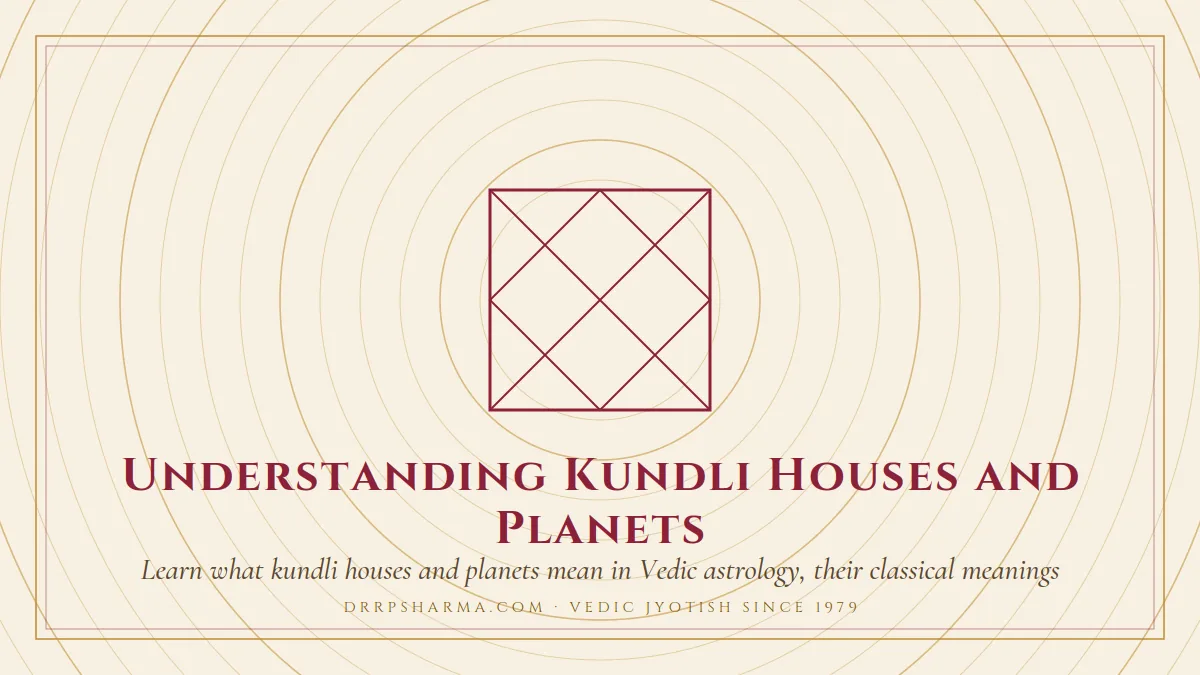
The twelve houses in a kundli represent the twelve arenas of life, each governed by a specific area of human experience. The first house is self and appearance, the second wealth and speech, the third siblings and courage, and so on through siblings, education, family, children, health, partnerships, travel, career, gains, suffering, and spirituality. Each house is ruled by a sign and a planet, creating a map of where life’s energies flow naturally or need conscious direction.
For example, a strong fifth house (children, creativity, intellect) with Jupiter can suggest natural talent in teaching or parenting, while a challenged seventh house (marriage, partnerships) asks for patience and sincere communication before commitment.
How do planets (grahas) influence life through the kundli?
Planets are seen as forces of consciousness that color the areas of life ruled by their house positions and aspects. The Sun brings vitality and leadership, the Moon emotional needs and intuition, Mars energy and conflict, Mercury intellect and communication, Jupiter wisdom and expansion, Venus love and beauty, Saturn discipline and delay, Rahu desire and innovation, and Ketu detachment and past-life karmas. Their dignity—whether exalted, debilitated, or in friendly signs—sets the tone of expression.
A well-placed Saturn in the tenth house can bring steady career growth through hard work, while a debilitated Venus in the eighth may indicate financial caution around partnerships, calling for mindful choices rather than avoidance.
What is the role of signs (rashis) in shaping house meanings?
Each house is occupied by a sign, and the qualities of that sign flavor everything connected to the house. A fiery Aries in the fourth house adds drive and independence to home life; a cautious Taurus may seek stability in family matters; a curious Gemini in the ninth house may explore diverse spiritual paths. The sign shows how the life area is approached and expressed, while the planet shows who drives it.
For instance, a Scorpio sign in the sixth house (health and service) can bring intensity in healing work, while a Pisces sign here may inspire compassionate caregiving roles.
How do planetary periods (dasha) reveal timing in life?
Dashas are fixed planetary time-cycles that unfold according to your birth nakshatra, showing when certain life themes gain prominence. Each planet rules a period of years, during which its house positions and aspects become especially active, highlighting opportunities or challenges in those areas. For example, a Jupiter dasha may bring growth in education or family, while a Saturn dasha often asks for patience and steady effort in career or health.
A person with Mars in the seventh house may find relationship conflicts surface during Mars periods, whereas marriage matters may resolve during Venus periods if Venus aspects the seventh house.
Can we change results by understanding kundli houses and planets?
Yes, but not by magic—by aligning your efforts with the natural strengths and cautions shown. If your kundli shows a weak second house for wealth, conscious saving and ethical income sources can strengthen it. If the fifth house is strong, nurturing creativity becomes a wise investment. Awareness allows you to time important steps—like starting a business or marriage—with supportive planetary periods.
Muhurta, the choice of auspicious timing, can be used when initiating major life events, but it works best when paired with honest self-effort and ethical conduct.
What should I do after understanding my kundli houses and planets?
First, observe patterns without judgment. Note which houses and planets feel strong or weak in your life experiences. Then, focus on strengthening weak areas through appropriate remedies—like mantra, charity, or gemstones—chosen after careful analysis. Most importantly, act with integrity in the areas governed by challenging planets, and express the gifts shown by benefic ones.
A detailed chart analysis helps clarify what remedies and timing suit your specific chart. If the chart raises questions about marriage or career, a consultation can offer chart-specific guidance without fear or guarantee.
Frequently Asked Questions
Can a kundli accurately predict my future?
A kundli reveals potential life patterns and timing windows but does not lock fate. It highlights tendencies shaped by karma, which you can modify through conscious action, discipline, and ethical living. Think of it as a weather forecast: it shows likely conditions, not immutable events.
How do I know if a planet is benefic or malefic in my chart?
A planet’s benefic or malefic nature depends on its sign placement, house, aspects, and functional role as per your ascendant. Jupiter and Venus are naturally benefic; Mars, Saturn, Rahu, and Ketu can be malefic unless well-placed or aspected by benefics. A planet in its own sign or exalted is strengthened, while in debility or afflicted may challenge more.
Is it necessary to wear gemstones based on kundli?
Wearing a gemstone is one optional tool among many remedies. It can support a planet if the gem is authentic, the planet is weak, and the person’s body chemistry tolerates it. However, without addressing karmic patterns or ethical conduct, gemstones alone have limited effect. Consultation helps decide if and when they are suitable.
How often should I review my kundli after major life changes?
Review your kundli when significant life events occur—marriage, childbirth, career shifts, health crises, or after a major planetary period ends. These moments often trigger house or dasha shifts that may clarify earlier patterns or highlight new guidance. Regular but not obsessive review keeps the chart a living guide, not a static label.
Part of our guide: Kundli & Birth Chart →
For guidance specific to your own birth chart, a personal consultation considers the complete picture.
Book a Consultation · ₹5,100 WhatsApp Dr. SharmaThis article is offered as general guidance in the Vedic tradition. Astrology is a tool for reflection and is not a substitute for professional medical, legal or financial advice.